
Our Kaikōrero 2026
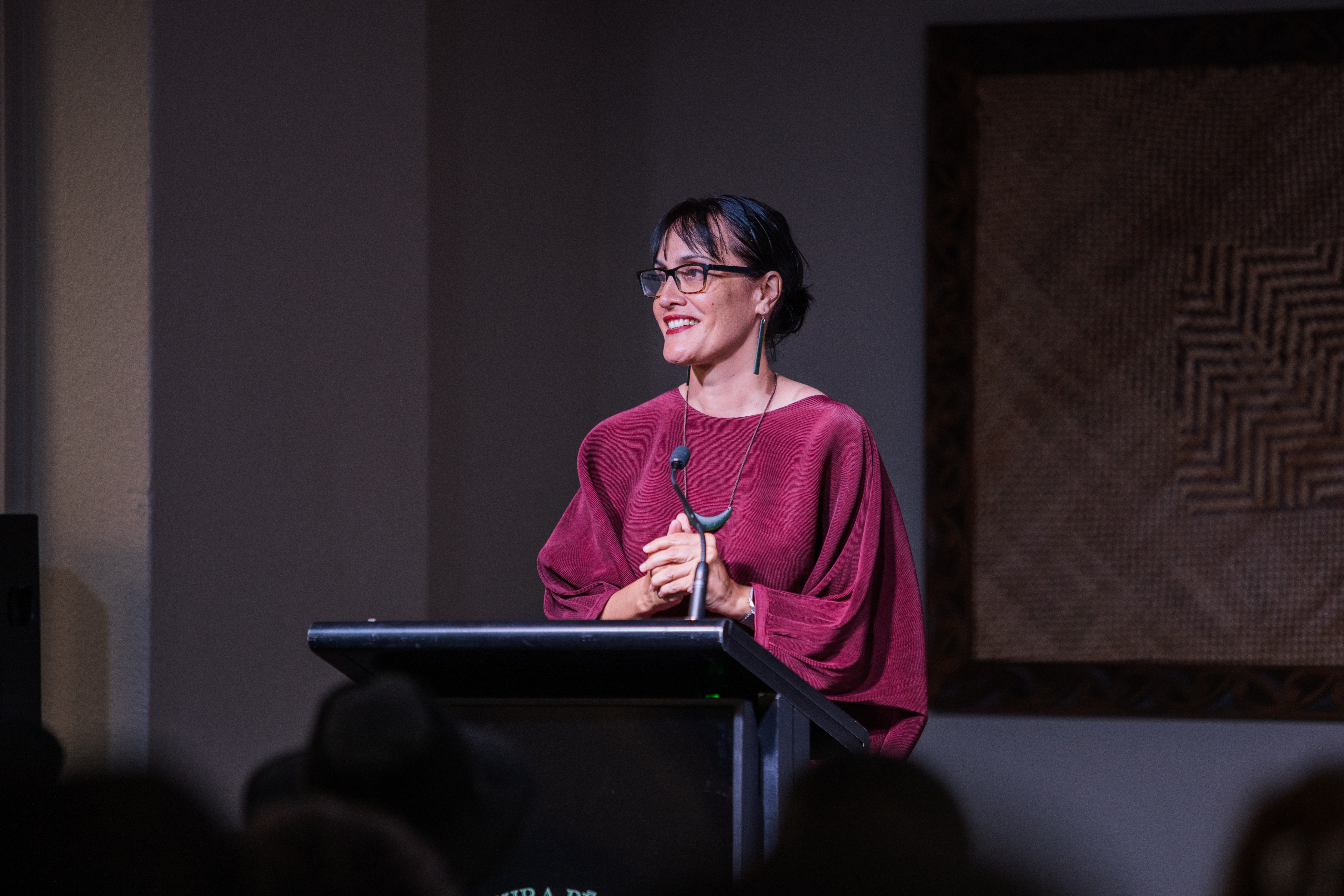
Tina Porou
Ngāti Tūwharetoa, Ngāti Rakaipaaka, Rongomaiwahine and the iwi of Tūranganui-a-Kiwa
The roller coaster of 9 years of Resource Management reform by both the “left” and the “right”, how do we cut through to what really matters?
Tina Porou is a Māori environmental advocate and strategist with over 20 years’ experience advancing Indigenous leadership in resource management, climate resilience and environmental protection. Her expertise spans iwi, government and the private sector, with a focus on integrating mātauranga Māori into environmental policy and decision-making.
Through her consultancy, Poipoia, Tina advises Māori organisations on sustainable economic development, resource management and carbon strategy, supporting outcomes that protect the environment and uphold tino rangatiratanga.
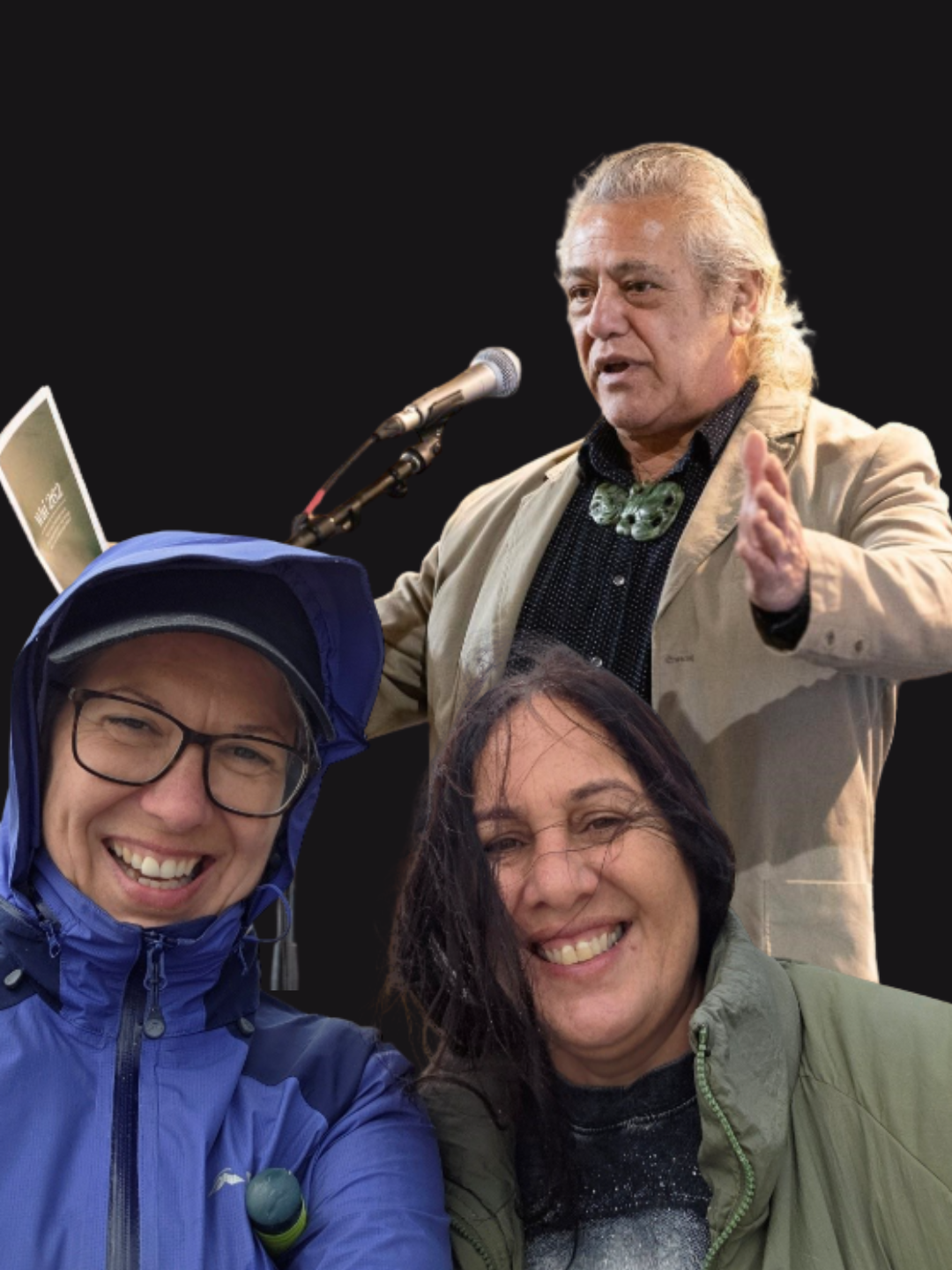
Tui Qauqau Te Paa, Dr Jacquie Reid & Haami Piripi
Te Rarawa
The Restoration of Waimimiha Through the Eyes of Toheroa.
Tui is an environmental leader, educator and researcher of Te Rarawa descent. Her mahi focuses on ecological restoration, climate resilience and protecting taonga species, bringing together mātauranga Māori and Western science.
Haami is a respected Te Rarawa leader with over 40 years’ experience in iwi governance, public policy and Māori development. A former Chairperson of Te Rūnanga o Te Rarawa, he is an advocate for kaupapa Māori, te reo Māori and community wellbeing.
Jacquie is an environmental scientist with over 30 years’ experience in ecosystem restoration, freshwater and marine environments, and climate change. Her work focuses on restoring ecosystems and improving the health and mauri of Aotearoa’s natural environments.
This presentation brings together iwi leadership, environmental science and mātauranga Māori to explore the restoration of Waimimiha and the kaupapa to support the return of freshwater to Te Oneroa-a-Tōhē.
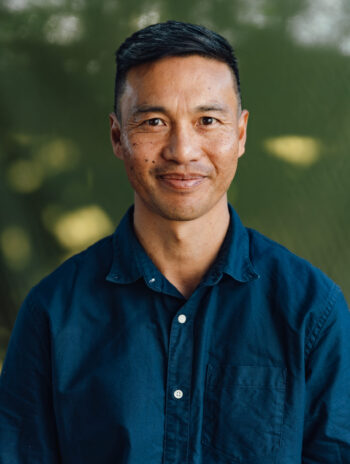
Stephen Lee
Waikato, Te Ahiwaru, Ngāti Mahuta
Tiakina te Repo, Tiakina te Pātaka – Te Motu a Hiaroa Restoration Project
Stephen Lee is a Research Project Manager at Pūrangakura, working on the Wai Ora Kāinga Ora research project. A mechanical engineer with over 25 years’ experience across the water, dairy and energy sectors, he works alongside whānau, hapū and iwi to deliver drinking water solutions for marae and papakāinga. His mahi is grounded in kaupapa Māori, with a focus on environmental sustainability and people-led solutions.
Stephen will present alongside Jolene George on Tiakina te Repo, Tiakina te Pātaka – Te Motu a Hiaroa Restoration Project, sharing the restoration mahi led by Te Motu a Hiaroa whānau to protect and restore the island’s wetland ecosystem.
Jolene George
Te Whānau-ā-Apanui, Ngāti Awa, Whakatōhea
Tiakina te Repo, Tiakina te Pātaka – Te Motu a Hiaroa Restoration Project
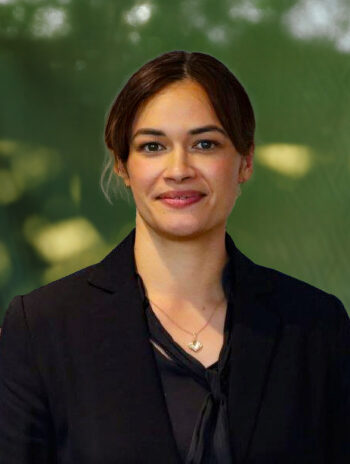
Jolene George is an environmental scientist and researcher dedicated to improving the health of Aotearoa’s waterways by bringing together mātauranga Māori and Western science. As a Kairangahau Matua on the Wai Ora Kāinga Ora project, she works alongside kāinga to co-design research and monitoring plans that reflect their aspirations. She is also completing a Master of Environmental Science at the University of Waikato, focusing on biological tohu of groundwater health.
Jolene will present alongside Stephen Lee on Tiakina te Repo, Tiakina te Pātaka – Te Motu a Hiaroa Restoration Project, highlighting how whānau-led kaitiakitanga, ecological research and mātauranga Māori are supporting the restoration of the repo and its mauri.
Te Puawai Hill-Moana
Waikato, Rongowhakaata, Te Aitanga a Mahaki
He kaakahi whakairoiro, he kaaeo whakahirahira
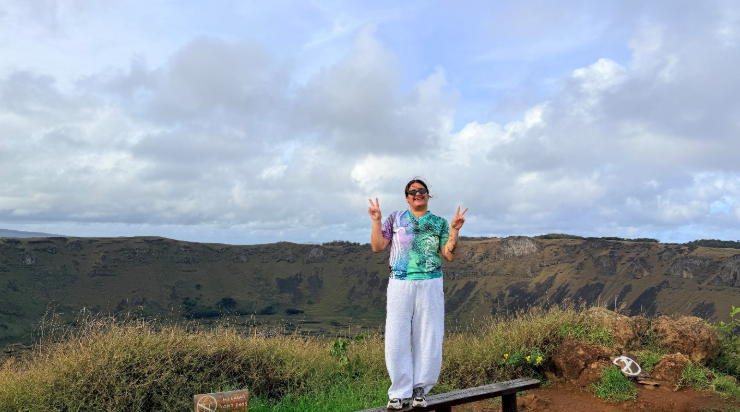
Te Puawai is a Tāura Paerunga (PhD candidate) at Ōtākou Whakaihu Waka, researching mātauranga Māori and mātauranga ā-ira relating to the taonga species kaeo (freshwater mussels).
Te Puawai’s research brings her home to Waikato and her tūpuna, Te Awa o Waikato. Combining mātauranga Māori with cutting-edge molecular tools, her rangahau explores the whakapapa and pūrākau of kaeo, deepening understanding of kaeo hapū throughout the awa.
Her research also investigates the impacts of climate change on the awa and explores how these taonga species may adapt to a changing river system.
Lucy Coulston
Ngāi Tahu, Ngāti Kahungunu, Te Aitanga a Hauiti
Governed into degradation: Waituna, Waitarakao and the making of socio-ecological traps.
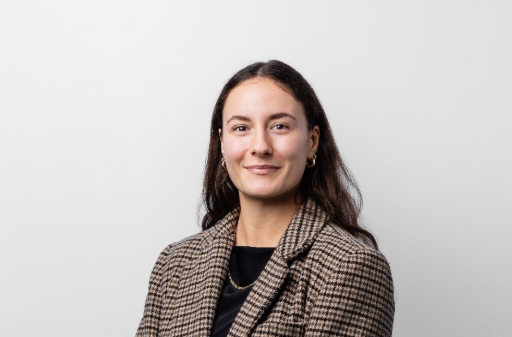
Lucy completed her Master of Science with Te Whare Wānanga o Waitaha and Fish Futures in 2025 and is preparing to publish her research. Her thesis explores the relationship between mana whenua and highly modified systems, examining how colonialism and capitalism contribute to socio-ecological traps. Passionate about wai māori and moana, Lucy hopes to transition from business consulting into environmental consulting.
Lucy’s presentation will examine how colonisation, capitalist land use and fragmented governance have transformed Waituna and Waitarakao coastal lagoons. Drawing on research with mana whenua, it explores ecological degradation, loss of access and diminishing authority, highlighting how restoring tino rangatiratanga and mana whenua-led governance could support meaningful change.
Riki Parata
Kāi Tahu, Kāti Māmoe, Waitaha, Te Ātiawa ki Whakarongotai
Kanakana Monitoring in the Mataura Catchment Using eDNA and AI.
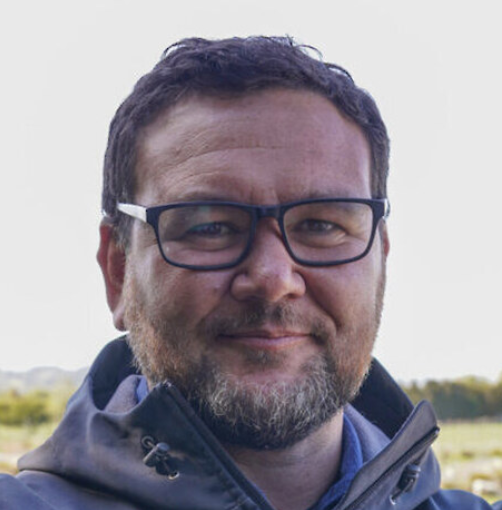
Riki is the team lead for Taonga Research, an initiative led by Hokonui Rūnanga to establish a dedicated research facility for taonga species in Murihiku. Its main focus is kanakana, including a captive breeding programme to restore kanakana to streams where they have been lost.
With the rapid development and deployment of AI tools worldwide Taonga Research is exploring the use of AI tools in the freshwater monitoring space and specifically how they can aid in the monitoring of kanaknana during their migration up the Mataura River.
eDNA is a powerful tool for freshwater monitoring but often has difficulty detecting kanakana. In partnership with Te Wai Māori and the Cawthron Institute Taonga Research and various Iwi/hapu groups have been testing a newly developed eDNA assay designed to detect kankana.
Luka Finn
Kāi Tahu, Kāti Māmoe, Waitaha
Kanakana Monitoring in the Mataura Catchment Using eDNA and AI.
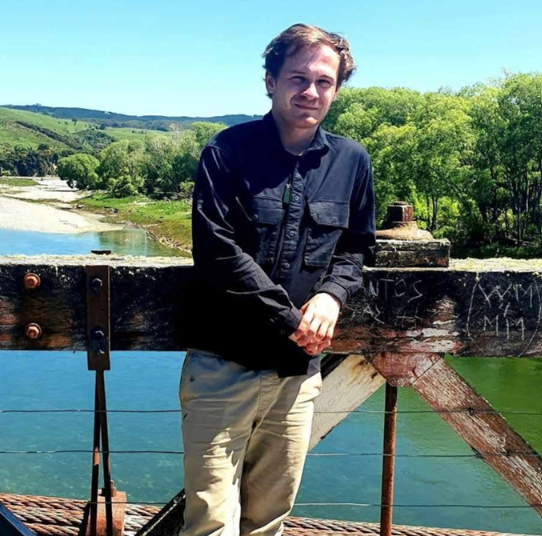
Luka Finn is a Kaimahi for Taonga Research (Hokonui Rūnanga) who is part of the ongoing conservation mahi for freshwater taonga species. This mahi involves the trap and tranfer of kanakana and elver as well as captive breeding/husbandry of kanakana and other taonga species for research and conservation.
Luka will present alongside Riki on Kanakana Monitoring in the Mataura Catchment Using eDNA and AI, exploring how AI and eDNA can support the monitoring, detection and conservation of kanakana in the Mataura River.
Katarina Rikipi Kawana
Ngāti Kahungunu ki Te Wairoa, Ngāi Tuhoe, Ngāti Ruanui, Rangitāne ki Wairarapa, Kai Tahu, Tūwharetoa
Mauri Taiao
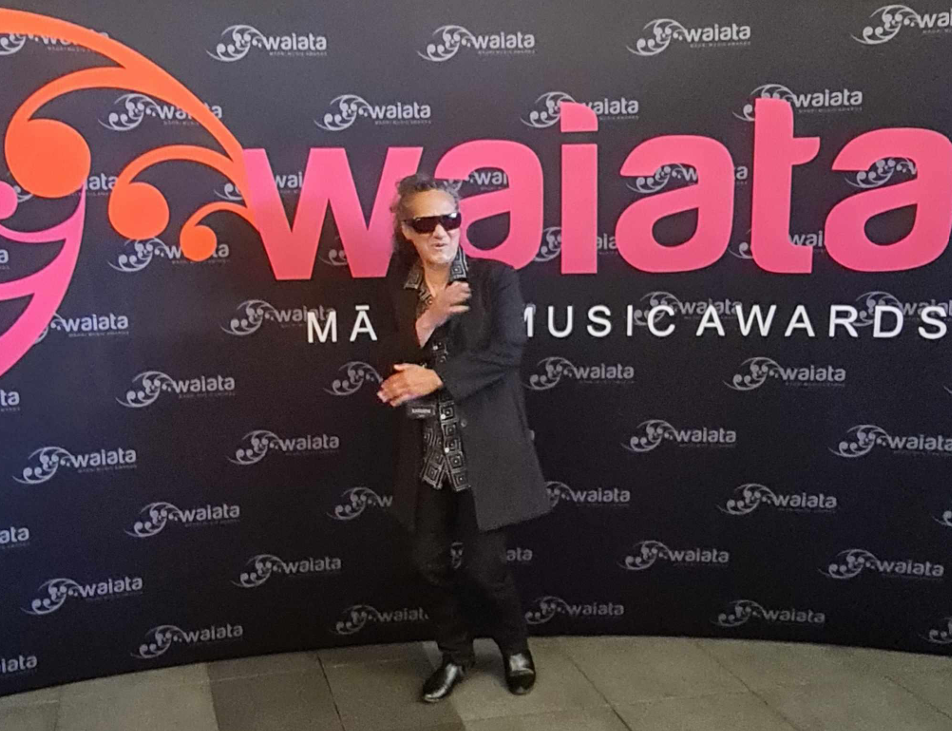
Living beside the Waiau River, Katarina is an active tangata tiaki whose passion for the Taiao is expressed through daily observation, monitoring, advocacy and mentoring. A Taiao Champion for Ngāti Kahungunu ki Te Wairoa, she co-founded Wairoa Awa Mauri Restoration with Michelle McIlroy to advocate for the Wairoa River.
Her mahi draws on intergenerational practice, qualifications in iwi environmental management and freshwater and marine studies, and mentorship from the late Bill Ruru and Ian Ruru, creator and developer of the Mauri Compass. Through Mauriora Music and Voodoo Chile Recordings, she also shares her commitment to Indigenous storytelling, connecting people, place and the wellbeing of the Taiao.
Katarina is developing Mauri Taiao, formerly Awhina Wai—a bilingual Indigenous environmental platform grounded in mātauranga Māori. Her vision connects knowledge and evidence gathered at place with AI-assisted tools and dashboard analytics, supporting tangata tiaki to track environmental change and guide
action across whenua, wai, moana and air.
Mahora Manuel-Hepi
Ngāti Tūwharetoa, Ngāti Porou, Ngāti Tahu-Ngāti Whaoa
He Hononga Wai, He Hononga Mātauranga: Exploring ecological health and oranga of the Whanganui Stream Catchment, Lake Taupō.
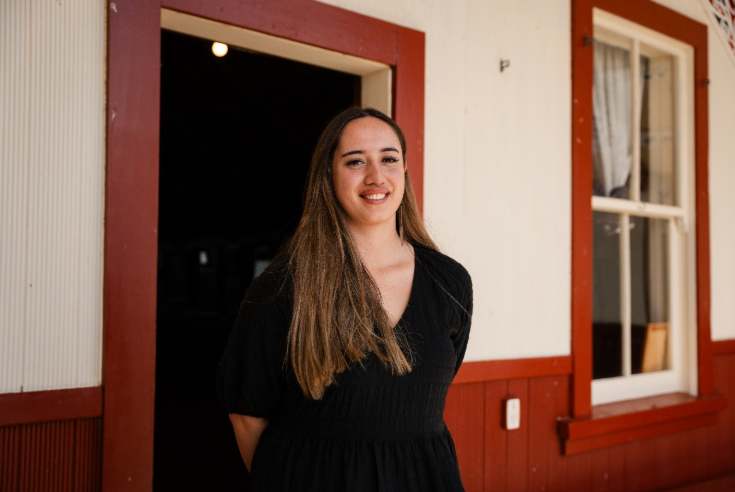
In June 2026, Mahora completed a Master of Science with First Class Honours Degree from Te Herenga Waka – Victoria University of Wellington. Passionate about wai Māori, her research explored biophysical measures of ecological health and kaupapa Māori understandings of oranga to understand the health of the Whanganui Stream Catchment, Lake Taupō.
Mahora was a successful recipient of the Te Wai Māori Scholarship in 2025 and is now currently working as an Analyst at He Pou a Rangi Climate Change Comission in Te Whanganui-ā-Tara.
This presentation explores how biophysical measures (nitrate-nitrogen, dissolved reactive phosphorus, E. coli, eDNA) and hapū perspectives of oranga can weave together to provide a wider and richer understanding of stream catchment health. Both knowledge systems and measures/themes were conceptualised in this research through Te Whāriki Oranga – a framework which highlights the tensions and connections of exploring dual-knowledge systems to understand catchment health.
Heni Unwin
Te Atihaunui-a-Papaarangi , Ngāti Tūwharetoa, Ngāti Kahungunu ki Wairoa, Rongomaiwahine, Ngāi Tūhoe
Ha kōaro noa āku kai
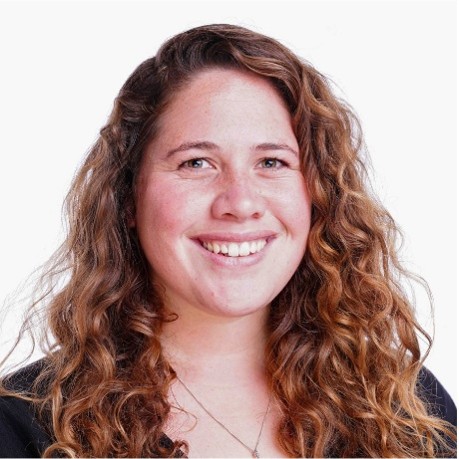
Heni is a connector, a connector of worlds, a connector of oceans and a connector of people. Her work is driven by those things that enrich and sustain her life, her awa, moana, maunga, ngahere and whānau.
Holding tohu in Te Reo Māori, Chemistry, Marine Science and Environmental Science she interweaves different knowledge systems into her work to achieve equitable outcomes for our future. Her current research at Cawthron Institute focuses on aquaculture technologies, ecotoxicology and climate change. She is working towards securing accessible pathways for our rangatahi in the science sector, developing research that centres on marae-based aquaculture and research ‘kia whakahoki te mauri ki te Ao Turoa’ reciprocating that which has been taken.
Heni will present on the three restoration approaches which were assessed: the development of a kōaro aquaculture breeding programme, a juvenile enhancement programme, and a translocation programme which were presented to Tūwharetoa uri. Tūwharetoa uri then decided on a pathway to a healthy and resilient kōaro population.
Dr. Joanne Clapcott
Ngāti Porou
Fish Futures – Navigating change and shaping what comes next
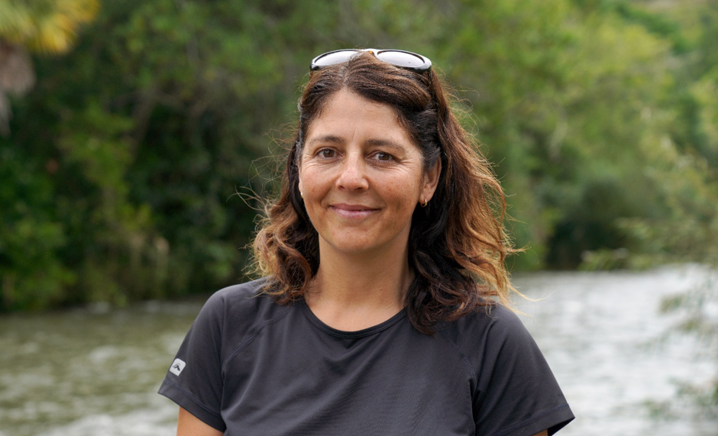
Joanne Clapcott is a freshwater ecologist at Cawthron Institute. Her work brings together freshwater ecology, mātauranga Māori and collaborative research to support the wellbeing of freshwater ecosystems and the people who connect with them. She leads Fish Futures, a five-year research programme working with iwi, researchers and fisheries partners across Aotearoa New Zealand
Ailsa Cain
Waitaha, Kāti Māmoe, Kāi Tahu
Ka mua, ka muri: Using history to reshape fisheries management
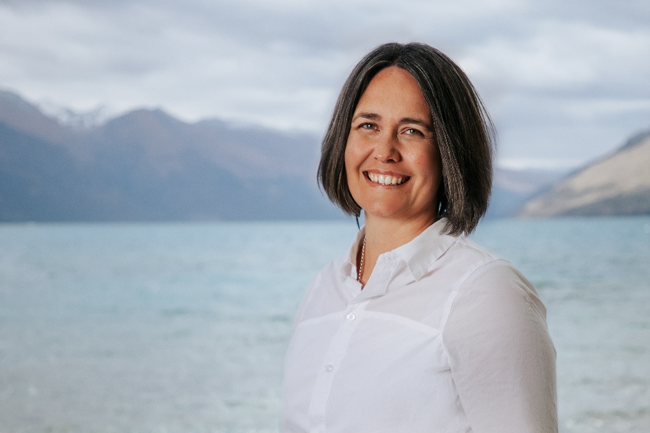
Ailsa is a cultural heritage and environmental policy expert at ā-Rautaki. Her work in policy processes has focused on continuing cultural practices and connection to place, building on an understanding of Treaty settlements and different worldviews.
Ailsa will present alongside Kiely McFarlane on a historical analysis of freshwater fish management as part of the Fish Futures research programme.
Dr. Kiely McFarlane
Ka mua, ka muri: Using history to reshape fisheries management
Kiely is a social scientist at the Cawthron Institute. Her research explores how the social and cultural histories of waterways shape freshwater management today, and the role of Māori and community organisations in regenerating the taiao.
Kiely will present alongide Ailsa Cain on a historical analysis of freshwater fish management as part of the Fish Futures research programme.
Dr. Robin Holmes
Pākehā
Ngā tapuwae ā te koura: Pā koura and controlling invasive catfish in Te Arawa lakes.
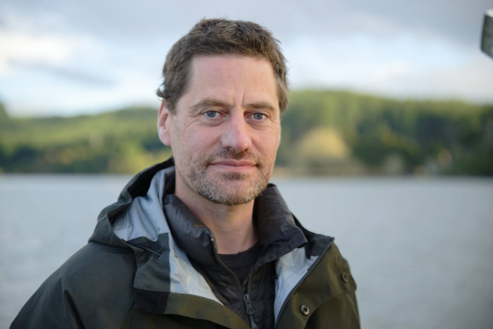
Robin has spent 20 years at the Cawthron Institute in Nelson as a freshwater ecologist. He is involved in a range of projects with a focus on river and stream restoration, freshwater fisheries/mahinga kai management, and community approaches to river health improvement.
Robin will present alongside Soweeta Fort D’Ath on the complexities of managing introduced catfish and protecting kōura in Te Arawa lakes.
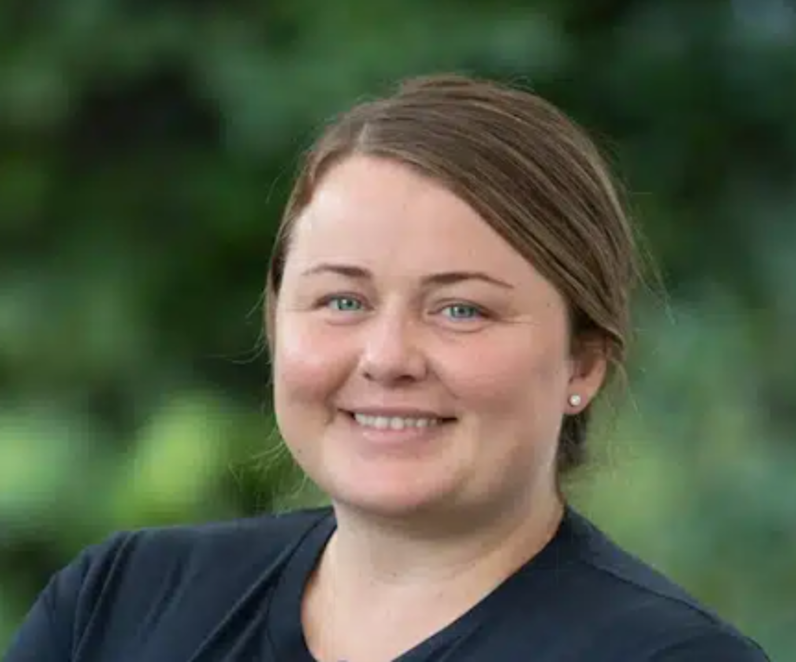
Soweeta Fort D’Ath
Tūhourangi, Ngāti Raukawa
Ngā tapuwae ā te koura: Pā koura and controlling invasive catfish in Te Arawa lakes.
Soweeta is based in her hometown of Rotorua and has a strong connection to ngā rotomoana o Te Arawa for which she holds an enduring commitment advocating for the health and wellbeing of ngā taonga wai Māori. Her focus is on uplifting the power of community, rangatahi and whānau to be active in protecting the taiao while bringing mātuaranga to the forefront of solving current issues faced by the lakes.
Soweeta will present alongside Robin Holmes on the complexities of managing introduced catfish and protecting kōura in Te Arawa lakes.
Soweeta Fort-D’Ath (Te Arawa Lakes Trust), Karl Russell (Aoraki Environmental), and Kasmira Peterson (Ōraka-Aparima Rūnaka on behalf of Te Ao Mārama Inc) represent three of the key iwi research partnership rohe involved in the Fish Futures programme: Murihiku, Te Arawa, and Waitaki. Fish Futures is a national research programme focused on transforming freshwater fish management in Aotearoa through approaches that are holistic, equitable, and responsive to the relationships between people and freshwater environments.
As representatives of the programme’s iwi research partners, they contribute to the co-design and co-leadership of the mātauranga Māori research components. This work recognises that knowledge relating to freshwater fisheries is inherently place-based and grounded in the relationships between whānau, hapū, and their freshwater environments. Through Fish Futures, iwi, researchers, and management agencies work together to ensure research reflects local priorities and supports outcomes that are meaningful and useful for tangata whenua, freshwater fisheries, and future generations.
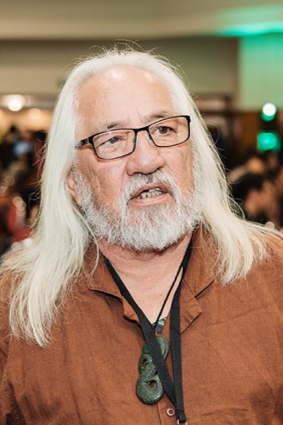
Karl Russell
Waitaha, Kāti Mamoe, Kai Tahu
Manuhiri and Tangata Whenua: Indigenous Relationships with Introduced Species
Mātua Karl has dedicated over 50 years to serving his hapū and iwi in the space of te taiao. His journey spans from gathering kai for whānau to leading roles in environmental monitoring through a mātauranga Māori lens. He has served as a senior cultural advisor in areas such as resource consenting, eel management, and long-term iwi planning. Known as a tohunga mahinga kai, he has represented hapū and iwi in numerous environmental hearings and recently won the Water NZ National Stormwater award with Aoraki Environmental Consultancy.
Introduced species are often framed as pests, invaders, or management problems. Yet Indigenous perspectives can reveal more complex relationships shaped by history, culture, place, and responsibility.
Representing the Murihiku, Te Arawa, and Waitaki Fish Futures research partnership rohe, Soweeta Fort-D’Ath, Karl Russell, and Kasmira Peterson will share reflections from a 2026 hīkoi to Vancouver, where they engaged with First Nations communities and Indigenous-led environmental initiatives. Through stories of place, hospitality, and learning, they will explore how Indigenous peoples define and respond to introduced species, and what these experiences reveal about belonging, stewardship, and ecological relationships.
This session offers a whakaaro-based reflection on what can be learnt through Indigenous exchange, and how these lessons may inform more holistic approaches to freshwater fisheries and taiao management in Aotearoa.
Kasmira Peterson
Ngāi Tahu, Ngāi Tūhoe
Manuhiri and Tangata Whenua: Indigenous Relationships with Introduced Species
Based in Murihiku, Kasmira Peterson works in environmental management and resource planning for Ōraka-Aparima Rūnaka and is attending on behalf of Te Ao Mārama Inc. Her work supports iwi aspirations across freshwater, biodiversity, and natural resource management.Kasmira is passionate about grassroots environmental mahi and working alongside whānau and communities to support the health and wellbeing of wai and taiao. Guided by the principle of ako, she values spaces where everyone is both teacher and learner, recognising that some of the most meaningful insights emerge through reciprocal relationships, shared experiences, and the intergenerational exchange of knowledge.
Through her involvement in the Fish Futures programme, Kasmira contributes to the co-design of mātauranga Māori research alongside iwi partners, researchers, and government agencies, helping to ensure freshwater fisheries research reflects local priorities and mātauranga Māori.
Introduced species are often framed as pests, invaders, or management problems. Yet Indigenous perspectives can reveal more complex relationships shaped by history, culture, place, and responsibility.
Representing the Murihiku, Te Arawa, and Waitaki Fish Futures research partnership rohe, Soweeta Fort-D’Ath, Karl Russell, and Kasmira Peterson will share reflections from a 2026 hīkoi to Vancouver, where they engaged with First Nations communities and Indigenous-led environmental initiatives. Through stories of place, hospitality, and learning, they will explore how Indigenous peoples define and respond to introduced species, and what these experiences reveal about belonging, stewardship, and ecological relationships.
This session offers a whakaaro-based reflection on what can be learnt through Indigenous exchange, and how these lessons may inform more holistic approaches to freshwater fisheries and taiao management in Aotearoa.
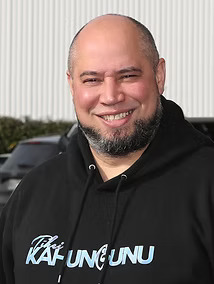
Ngaio Tiuka
Tūhoe, Ruapani
Mana Awa – Post Cyclone Gabrielle
Ngaio is the Director of Environment and Natural Resources Unit and oversees the aspirations of Kahungunu for the use and management of marine and freshwater fisheries within our rohe and is responsible for providing high quality analytical advice and research that supports the implementation of the Kahungunu ki Uta, Kahungunu ki Tai Marine and Freshwater strategic plan mai i Paritū ki Tūrakirae.
Ngaio will be presenting alongside Shade Smith on historical analysis and flood modelling of alternative river management scenarios for the Ngaruroro and Tukituki awa. Restoring our rivers, reducing flood depths, risks and more.
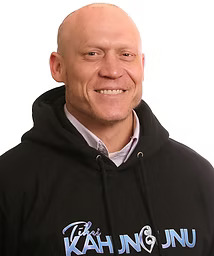
Shade Smith
Te Rarawa, Te Aupouri
Mana Awa – Post Cyclone Gabrielle
Shade is the Senior Analyst for the Ngāti Kahungunu Iwi Incorporated’s Environment and Natural Resources Unit. Shade works alongside Director, Ngaio Tiuka to undertake analysis and research to provide high quality advice that will ultimately support and protect Ngāti Kahungunu environmental and natural resource interests. Shades passion is the empowerment of indigenous peoples to become more involved and productive in providing resource management solutions.
Shade will be presenting alongside Ngaio Tiuka on historical analysis and flood modelling of alternative river management scenarios for the Ngaruroro and Tukituki awa. Restoring our rivers, reducing flood depths, risks and more.
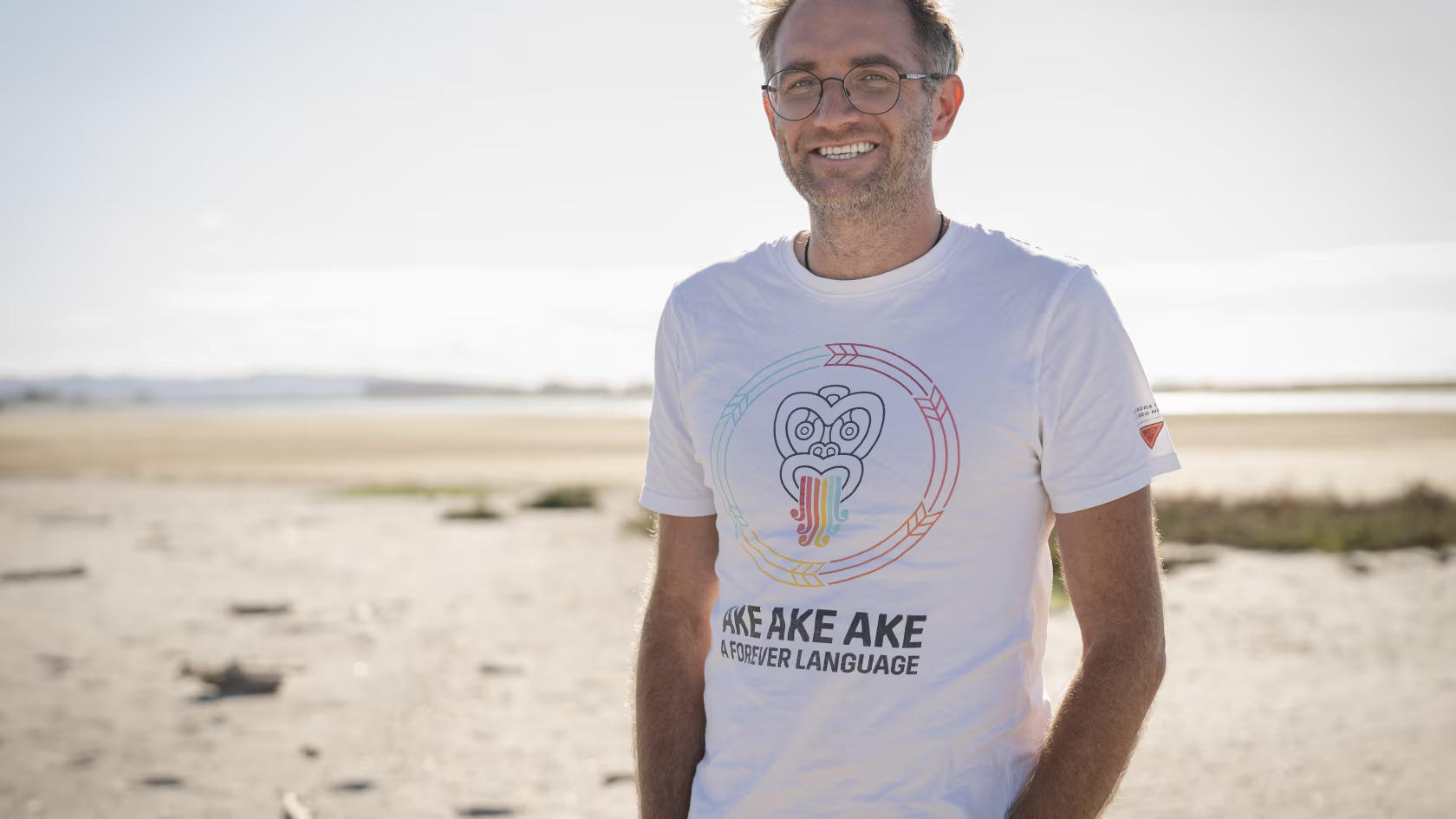
Dr. Simon Stewart
Ngāti Kahungunu ki Wairoa, Rākaipaaka
Simon Stewart is a freshwater scientist at the Cawthorn Institute. His work aims to understand food web connections to inform better environmental and fishery management.
Simon’s talk will discuss how tuna conservation can be enhanced with diet-based restoration – restoring food producing habitat. This work is based in the Awarua Wetland catchment and highlights the value of protecting and recreating lowland wetlands for enhancing tuna populations. It also shows that historical wetland loss has impacted longfin tuna more than has previously been accounted for.
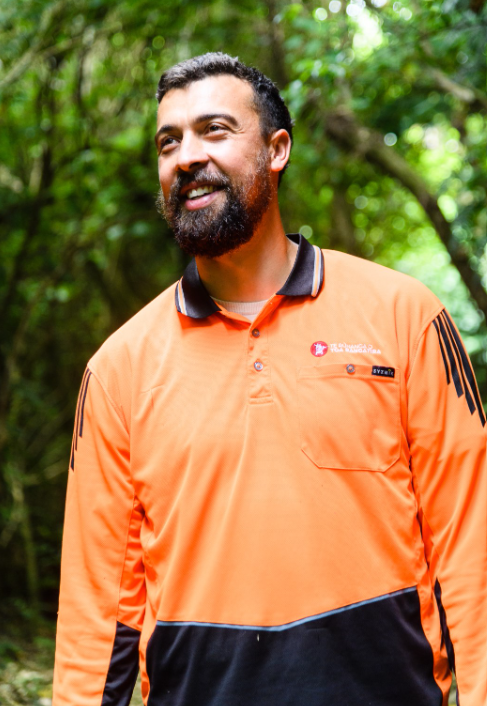
Luke Barnsley
Ngāti Toarangatira, Ātiawa ki Whakarongotai, Ngāti Raukawa te au ki te Tonga
Te pūaha ika ki uta, ki tai – Ngāti Toa Fish Passage Project
Luke is a kaimahi for the Ahurea Taiao group of Ngāti Toa which is dedicated to active protection and stewardship of its streams, harbours, whenua and oceans.
Luke believes that by having the ability to utilise matauranga and western knowledge systems iwi māori are uniquely placed to be the most proficient managers of our taiao. Ahurea Taiao group aim is to set all projects up to support the capacity building of uri whakaheke so they are empowered to be active managers of their whenua and moana for generations to come, so we can continue to strengthen our ability to uphold our obligation to Te Taiao. This kōrero will focus on a few such projects related to wai māori that help to build that capcaity as well as protect and inform mahinga kai practice and stream health.
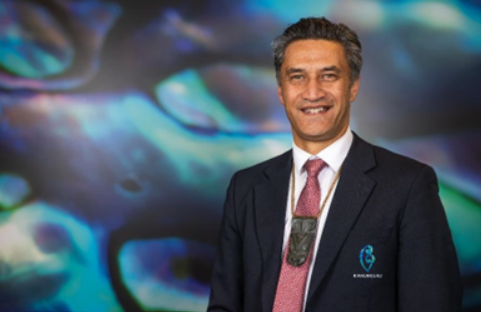
Bayden Barber
Ngāti Kahungunu, Ngā Puhi, Ngāi Tahu
He oranga wai, he oranga tāngata!
Bayden is of Ngāti Kurukuru descent and lives with his whānau in Waimārama, where his ancestors have lived for over 26 generations, before and after the arrival of the Tākitimu waka.
He is a founding Trustee of the Waingongoro Restoration Trust and has contributed significantly to awa restoration at Waimārama Marae, Tiakitai Whānau Lands and Mātanginui Pā and Papakāinga. Bayden is Chair of Ngāti Kahungunu Iwi Inc. and serves on several governance boards, including Te Ohu Kaimoana.
As Chair of Waimārama Marae, he helped lead the restoration of the Waingongoro to its original path past the marae after a 70-year battle with successive councils. He is also a passionate advocate for taiao, championing pāua sustainability and protecting whānau and mahinga kai by restricting vehicle access to the beach.
Presenting alongside Honey Lee, this presentation explores how nurturing a vibrant awa system relies on the involvement of its people. Together, they will share key milestones from the Waingongoro Awa restoration journey, from hands-on habitat restoration to community engagement initiatives that strengthen local connections with the waterway. They will also explore insights into cultural health, highlighting the vital role of whānau in protecting and restoring our taonga, whakapapa and cultural connections.
Honey Lee Blakeney
Rongomaiwahine, Ngāpuhi
He oranga wai, he oranga tāngata!
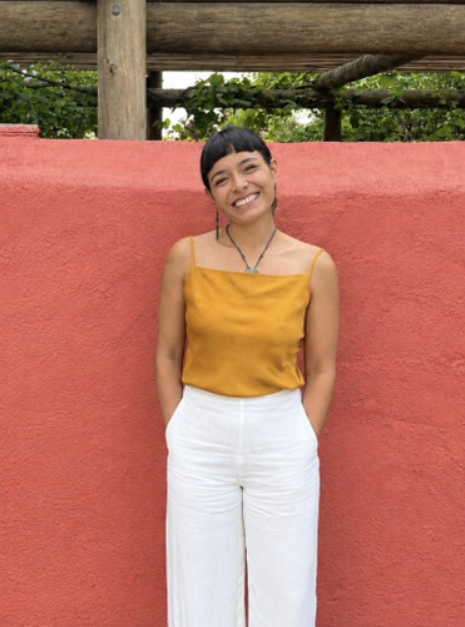
Honey Lee is of Rongomaiwahine and Ngāpuhi descent. Raised on the East Coast and homeschooled throughout her childhood, she credits te taiao as one of her greatest teachers. She has called Te Matau-a-Māui home for the past eight years.
After studying Ecology at the University of Otago and spending time in Germany, Honey returned to Aotearoa and founded Piki Projects in 2023, a consultancy focused on environmental stewardship. Her experience spans the public and private sectors, including Hawke’s Bay Regional Council, where she built relationships that later supported the Waingongoro Awa restoration project.
A lifelong surfer with a strong connection to Waimārama’s coastline, Honey has been Project Manager for the Waingongoro Awa restoration project since February 2025, supporting whānau-led initiatives and coordinating efforts to restore the awa’s ecological health. She considers it a privilege to contribute to the restoration of this ancestral waterway alongside whānau and the wider community.
Presenting alongside Bayden, this presentation explores how nurturing a vibrant awa system relies on the involvement of its people. Together, they will share key milestones from the Waingongoro Awa restoration journey, from hands-on habitat restoration to community engagement initiatives that strengthen local connections with the waterway. They will also explore insights into cultural health, highlighting the vital role of whānau in protecting and restoring our taonga, whakapapa and cultural connections.
Erena Nuku (Te Runanga o Ngati Manawa)
Ngati Manawa, Te Arawa, Ngati Awa
Ngati Manawa Active Tuna Trap and Transfer.
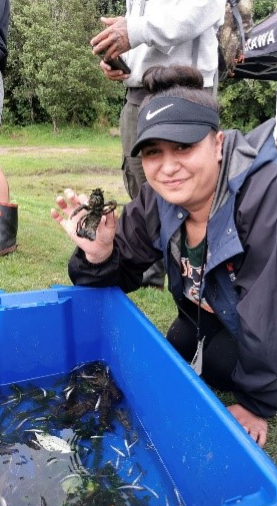
Erena Nuku is of Ngāti Manawa descent and has worked for Te Rūnanga o Ngāti Manawa for the past 10 years in various roles across iwi kaupapa. Her work has included environmental projects, community events and wider support for Ngāti Manawa initiatives.
Growing up alongside the Rangitāiki River, the taiao has always been part of everyday life for Erena and her whānau, from fishing and eeling to swimming and gathering kai. Over the past six years, she has been involved in tuna trap and transfer mahi within the rohe.
For Erena, protecting freshwater and tuna is about looking after home and making sure future generations can continue to enjoy the same connection to the awa and taiao.
This presentation shares the Ngāti Manawa journey in protecting tuna and supporting their migration within the Rangitāiki River catchment. We explore the impacts of hydroelectric dams on natural tuna migration, the history of trap and transfer within our rohe, and the practical mahi undertaken through the Ngāti Manawa Tuna Heke Active Transfer Programme.
We will also share our ongoing efforts and future aspirations for improved fish passage, healthier freshwater ecosystems and ensuring our taonga species continue to thrive for future generations
Himiona Nuku (Rohe Innovations)
Ngati Manawa, Te Arawa, Ngati Awa, Tamakaimoana, Tuhoe
He Taonga te Tuna – Passing the Knowledge Forward
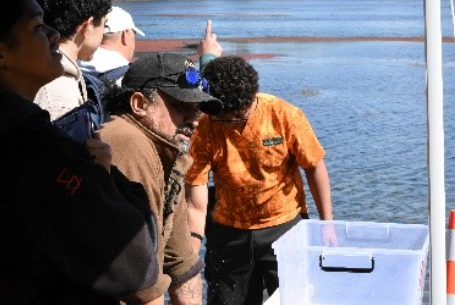
ROHE Innovations is a whānau-led Māori organisation based along the Rangitāiki River, dedicated to freshwater conservation, environmental restoration and connecting tamariki, rangatahi and whānau with their awa, whenua and taiao.
Presenters Himiona and Willy bring over a decade of experience contributing to tuna protection, trap and transfer, habitat restoration, freshwater monitoring and community-led environmental initiatives. Their journey has been shaped by the mātauranga of their kaumātua and opportunities to learn and work alongside Te Rūnanga o Ngāti Manawa, Tūhoe Tuawhenua Trust and other knowledge holders and practitioners.
Today, ROHE Innovations combines mātauranga Māori, science, environmental data collection and hands-on education to strengthen freshwater environments and create opportunities for the next generation of kaitiaki.
Growing up along the Rangitāiki River, Himiona and Willy developed a deep connection to tuna, mahinga kai and their awa through the teachings of their kaumātua. Witnessing changes to the river and the impacts of hydroelectric dams inspired their journey into freshwater protection.
From community volunteering to iwi-led tuna protection and restoration, their journey reflects the power of collective action. Today, through ROHE Innovations, they continue this mahi through habitat restoration, water monitoring and hands-on environmental education, bringing together mātauranga Māori, science and technology to nurture the next generation of kaitiaki.
Their presentation explores succession and asks:
Are we creating opportunities for knowledge to be passed on, or are we unintentionally building systems that keep it with only a few people?
Wiremu Nuku (Rohe Innovations)
Ngati Manawa, Te Arawa, Ngati Awa, Tamakaimoana, Tuhoe
He Taonga te Tuna – Passing the Knowledge Forward
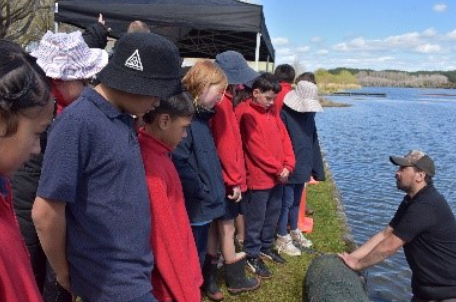
ROHE Innovations is a whānau-led Māori organisation based along the Rangitāiki River, dedicated to freshwater conservation, environmental restoration and connecting tamariki, rangatahi and whānau with their awa, whenua and taiao.
Presenters Himiona and Willy bring over a decade of experience contributing to tuna protection, trap and transfer, habitat restoration, freshwater monitoring and community-led environmental initiatives. Their journey has been shaped by the mātauranga of their kaumātua and opportunities to learn and work alongside Te Rūnanga o Ngāti Manawa, Tūhoe Tuawhenua Trust and other knowledge holders and practitioners.
Today, ROHE Innovations combines mātauranga Māori, science, environmental data collection and hands-on education to strengthen freshwater environments and create opportunities for the next generation of kaitiaki.
Growing up along the Rangitāiki River, Himiona and Willy developed a deep connection to tuna, mahinga kai and their awa through the teachings of their kaumātua. Witnessing changes to the river and the impacts of hydroelectric dams inspired their journey into freshwater protection.
From community volunteering to iwi-led tuna protection and restoration, their journey reflects the power of collective action. Today, through ROHE Innovations, they continue this mahi through habitat restoration, water monitoring and hands-on environmental education, bringing together mātauranga Māori, science and technology to nurture the next generation of kaitiaki.
Their presentation explores succession and asks:
Are we creating opportunities for knowledge to be passed on, or are we unintentionally building systems that keep it with only a few people?
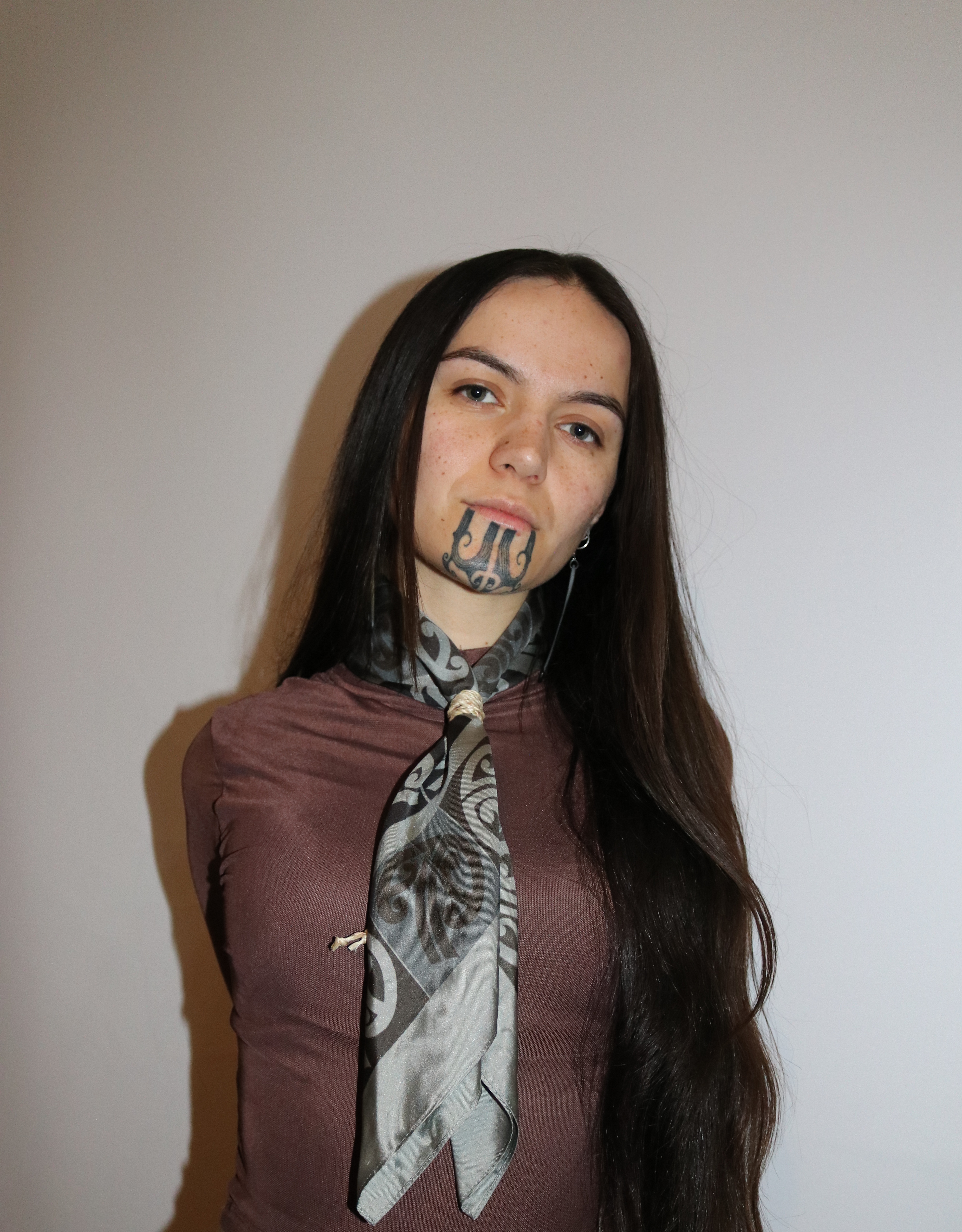
Rāhiri Mākuini
Te Whānau o Pūtahi, Ngā Uri Taniwha a Hinekōrako, Tangahoe,
Te Pakakohi, Ngāruahine, Taranaki Iwi
He oranga ngākau, he oranga wairua, he oranga taiao
Rāhiri Mākuini is a Te Wairoa-based multimedia creative with a background in mahi Marae, business, and rangahau.
This presentation will discuss the role of mahi taonga & mahi toi as a waka for reconnecting whānau & hapū to the natural environment. Healing the internal harm caused by external pollution of our taiao
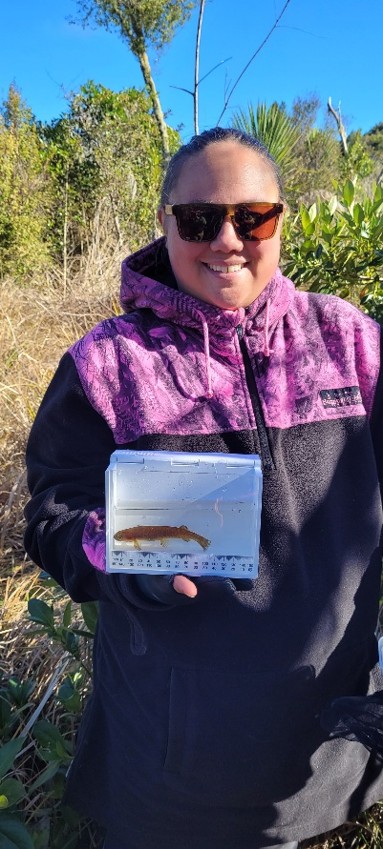
Josette Kahotea
Ngāti Pikiao, Ngāti Rongomai, Ngāti Awa, Ngāti Mākino
Importance of wetland refuges for kōaro populations.
Josette Kahotea is a recent MSc graduate (First class honours) from the University of Waikato and a member of the NZ Freshwater Sciences Society rōpū Māori. Josette has worked alongside Te Arawa lakes Trust, Iwi/Hapū initiatives and Local government in research and monitoring of the lakes. Her work and research is focused in biodiversity and ecology, together with mātauranga Māori to support the protection and restoration of taonga species for future generations.
She will presenting on a novel refuge for kōaro (Galaxias brevipinnis): Population demography, movement, and trophic structure in a lake-margin wetland of Te Arawa.
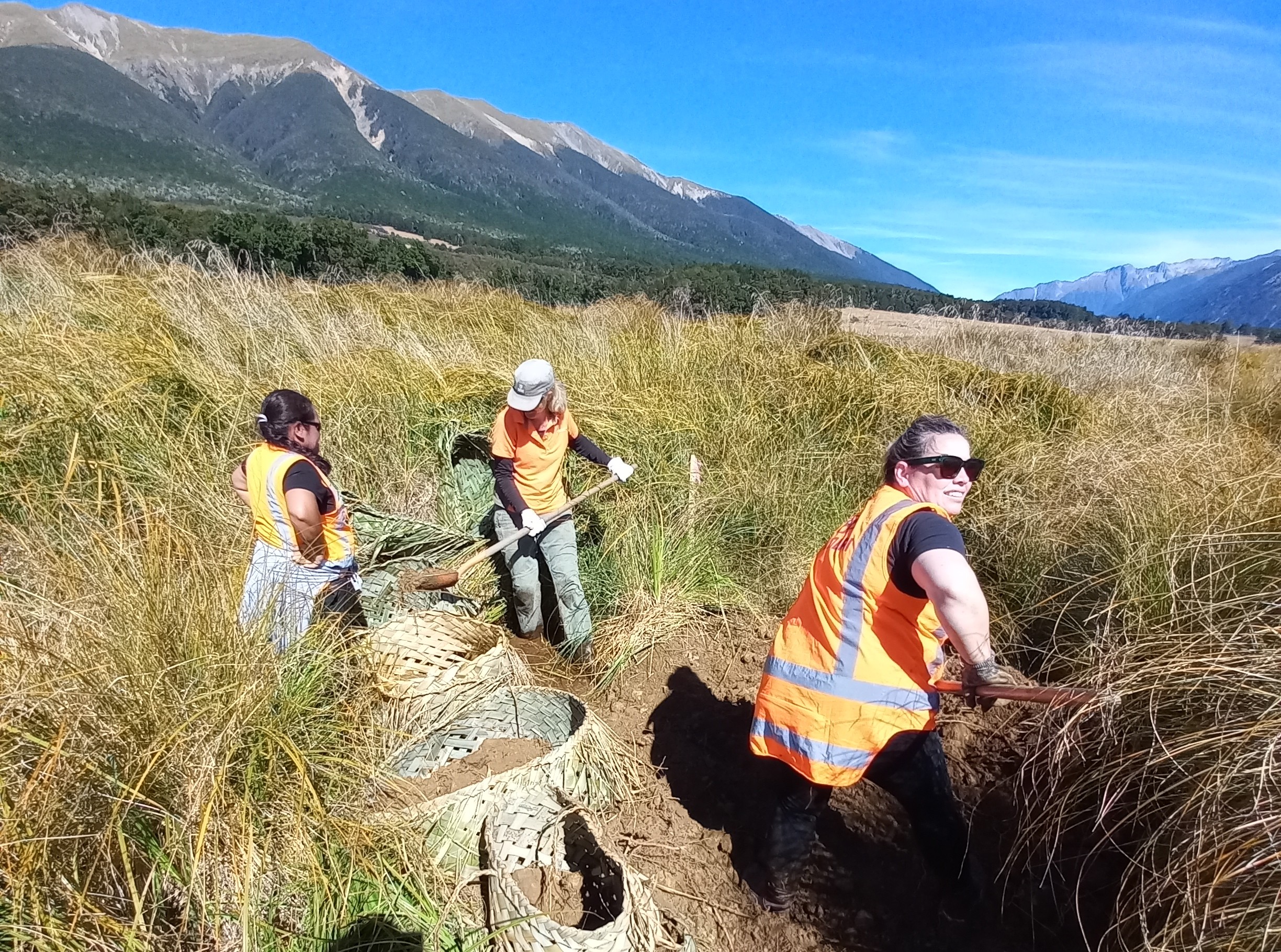
Shanell Kelly
Ngāti Kuia, Ngāti Koata, Ngāti Toa Rangatira, Ngāti Apa ki te Rā Tō, Rangitāne, Ngāti Raukawa, Kai Tahu
Respecting the mauri of wairepo in te Tauihu – Kaupapa Māori guided wetland enhancement
He uri tēnei nō ngā iwi o Te Tauihu whānui, koinei te rua kōiwi o ōku mātua tīpuna. Shanell has a deep responsibility to restore cultural practices for her people. She supports environmental restoration initiatives in her mahi primarily wairepo enhancement, facilitating innovative Indigenous techniques utilising mātauranga Māori to restore mauri.
Shanell will present alongside Blair Reid on reflections of 5 years of wetland construction and enhancement in te Tauihu / Top of the South.
Wairepo enhancement can sometimes replace one anthropogenic landform for another. When we listened to our partners and encorporated indigenous know how enhancement improved and delivered better outcomes.
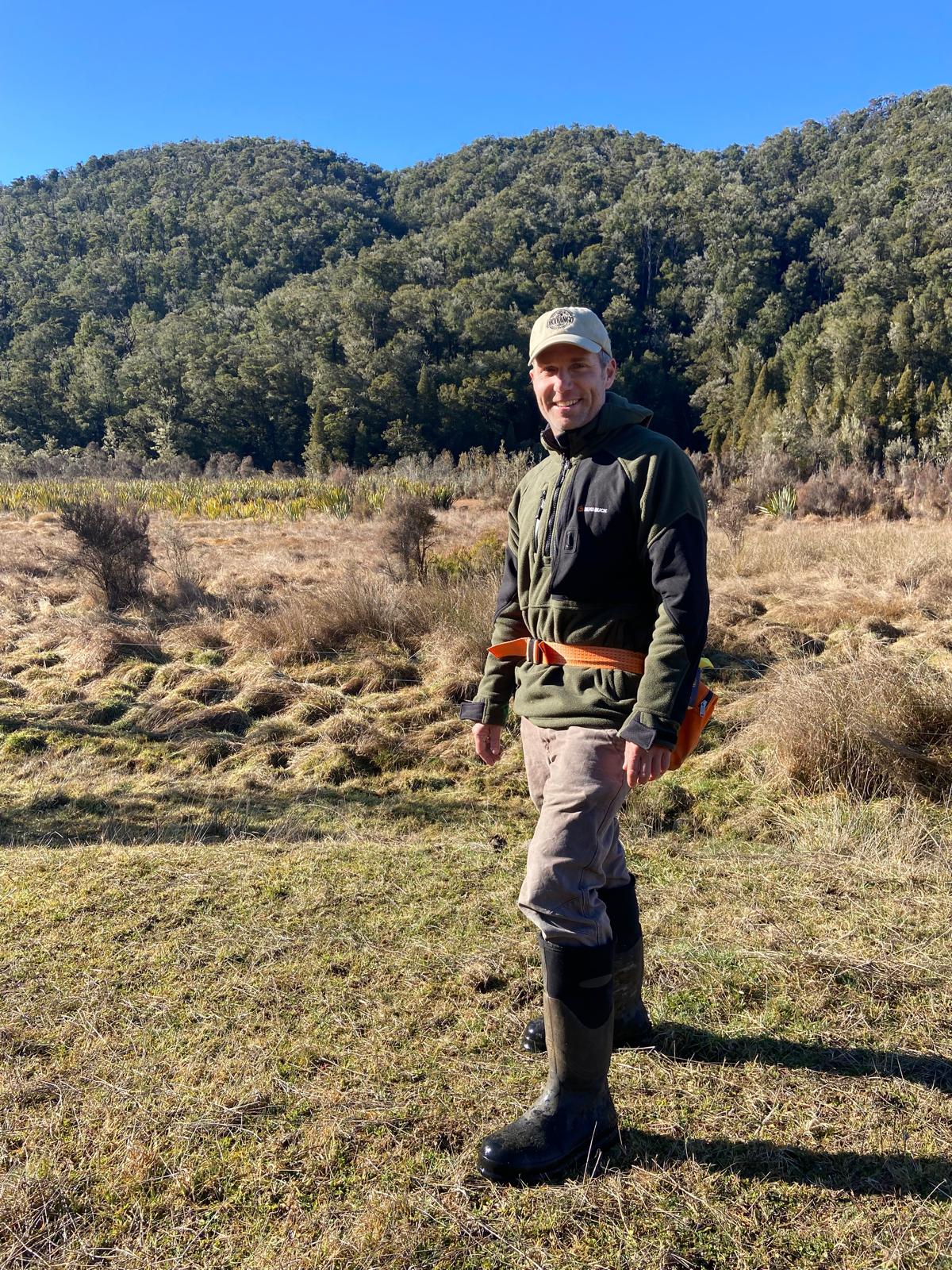
Blair Reid
Pākehā
Respecting the mauri of wairepo in te Tauihu – Kaupapa Māori guided wetland enhancement
Blair combines Science and Engineering to deliver wairepo restoration in innovative, low impact ways. Guided by mātauranga practitioners, Blair thrives on understanding what was in order to deliver what could be.
Blair will present alongside Shanell Kelly on reflections of 5 years of wetland construction and enhancement in te Tauihu / Top of the South.
Wairepo enhancement can sometimes replace one anthropogenic landform for another. When we listened to our partners and encorporated indigenous know how enhancement improved and delivered better outcomes.